Understanding BPC-157 10mg: What You Need to Know
BPC-157, short for Body Protection Compound-157, is a synthetic peptide that has gained attention in the research community for its potential therapeutic applications, particularly in the field of regenerative medicine. It is a pentadecapeptide, comprised of 15 amino acids, originally derived from a protein found in the gastric juice of humans. While primarily used for laboratory and in-vitro research purposes, it has been widely studied for its effects on tissue repair and healing processes. As researchers explore the implications of BPC-157 10mg, it is important to understand its properties, benefits, and how it fits into the broader landscape of peptide research.
What is BPC-157?
BPC-157 is a research peptide known for its unique properties that promote the healing of injuries and the protection of nervous tissue. The compound has been shown in various studies to enhance the body’s natural healing mechanisms, making it of interest not just in laboratory studies but also for potential clinical applications. Though definitive clinical studies in humans are still in progress, the peptide has consistently demonstrated regenerative properties in animal models, suggesting that its use might one day extend beyond the lab and into therapeutic realms.
Key Benefits of BPC-157
- Tissue Regeneration: BPC-157 is associated with enhanced healing rates in various tissues, including muscles, tendons, and ligaments, due to its ability to stimulate angiogenesis and collagen synthesis.
- Anti-inflammatory Effects: The peptide exhibits significant anti-inflammatory properties, which may help in mitigating chronic inflammatory conditions, ultimately supporting quicker recovery.
- Neuroprotective Qualities: Animal studies have shown that BPC-157 can protect nerve cells and potentially aid in recovery from neurodegenerative diseases.
- Gastroprotective Properties: Research suggests that BPC-157 may help in the healing of gastric ulcers and could be beneficial in addressing gastrointestinal issues.
Research and Evidence Behind BPC-157
Scientific literature on BPC-157 is growing steadily, with numerous studies highlighting its potential. For instance, one study demonstrated remarkable improvements in tendon healing when BPC-157 was administrated, significantly reducing the time for recovery. Other studies have noted its potential versatility, indicating that it could be useful in treating various injuries, from muscle tears to nerve damage. Despite the promising findings, it's crucial to note that the majority of this research is animal-based, and the application of such findings to human medicine is still under investigation.
The Science of Peptides: BPC-157’s Role in Research
The classification of BPC-157 as a research-grade compound comes with significant implications for its use, emphasizing the importance of laboratory adherence to testing and quality standards. Understanding the scientific basis for its application helps protect both the integrity of research and the safety of the public. Peptides like BPC-157 require rigorous verification to ensure their effectiveness and reliability in studies.
How BPC-157 Facilitates Healing
BPC-157's role in healing involves several mechanisms, including promoting blood flow to damaged areas, enhancing collagen production, and stimulating cellular repair. These biological processes are essential for effective recovery from injuries. Researchers observed that treatment with BPC-157 accelerated recovery times and improved functional outcomes in various experimental models. Its potential to influence these pathways is what places BPC-157 at the forefront of regenerative medicine research.
Laboratory Testing Standards for Peptides
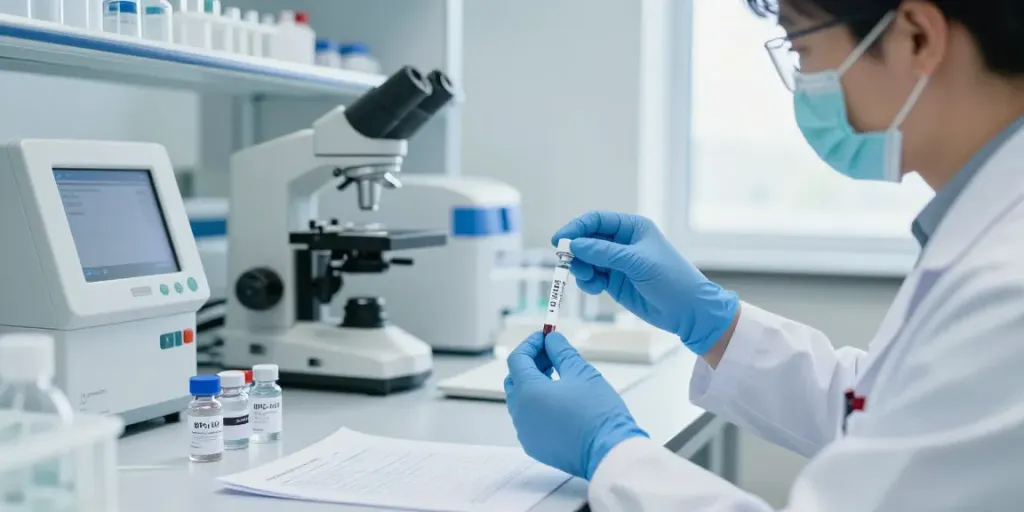
The reliability of BPC-157 as a research chemical hinges on thorough laboratory testing. Independent laboratory testing is crucial for assuring the integrity of research materials. High-Performance Liquid Chromatography (HPLC) testing verifies the compound's identity, concentration, and overall purity. Each batch undergoes strict testing protocols, which include sterility assurance and endotoxin screenings. This meticulous process helps maintain the standards required for scientific inquiry.
Importance of COA Documentation
Certificate of Analysis (COA) documentation stands as a cornerstone of quality assurance in peptide procurement. A COA provides detailed information about the peptide's purity, potency, and composition, allowing researchers to trust the data generated from their experiments. For researchers, having clear access to this information is paramount, as it ensures reproducibility and reliability in their studies.
Using BPC-157 10mg Safely in Laboratory Settings
Utilizing BPC-157 in laboratory settings demands careful attention to safety protocols and handling guidelines. Understanding the appropriate preparation and dosage is essential for ensuring effective and safe research.
Preparation and Storage Guidelines
Upon receipt, BPC-157 should be stored in a cool, dry place, away from light and humidity, to maintain its integrity. After reconstitution, it is typically stored in the refrigerator and used within a specified period to prevent degradation. Adequate lab protocols must be adhered to during the preparation to minimize contamination risks.
Recommended Dosage for Research Purposes
The dosage of BPC-157 for research purposes often varies depending on the specific applications and conditions being studied. While preliminary studies suggest doses in the range of 1-10 mcg/kg of body weight, researchers should always refer to specific study designs and guidelines to determine the most relevant dosing parameters based on their investigative focus.
Handling Safety and Compliance
It is critical that all precautions are taken when handling BPC-157. Researchers must follow the guidelines outlined for hazardous materials and ensure that all relevant personnel are trained in safe chemical handling procedures. Compliance with established laboratory protocols minimizes risk and promotes a safe research environment.
Product Quality: What to Look For in Peptide Suppliers
Choosing a reputable peptide supplier is essential for obtaining high-quality materials for research. Understanding the indicators of quality can help researchers make informed purchasing decisions.
Independent Testing and Verification
One of the most critical factors when selecting a peptide supplier is the presence of independent testing. Peer-reviewed processes that validate purity and stability can significantly reduce the risks of substandard or compromised products undermining research outcomes. Reliable suppliers will provide access to independent laboratory results, ensuring that each batch meets established quality criteria.
Understanding Peptide Purity and Concentration
High purity levels are necessary for effective research, as impurities can lead to confounding results. A reputable supplier should offer products with known purity levels, often ≥98%. Additionally, understanding concentration specifics will enable researchers to administer appropriate doses correlated with their experimental designs.
Red Flags When Buying Peptides
- Lack of Transparency: Be wary of suppliers who do not provide COA documentation or other third-party test results.
- Unrealistic Pricing: Extremely low prices can indicate lower quality compounds. Investing in high-quality peptides typically yields better research data.
- No Customer Support: Reliable suppliers should offer robust customer support for addressing questions regarding product use and sourcing.
Discussing Real-World Applications of BPC-157
As research into BPC-157 expands, understanding its applications may provide insights into future clinical use and therapeutic strategies.
Case Studies in Tissue Repair Research
Multiple case studies have documented the effects of BPC-157 on tissue repair. For instance, one prominent study indicated significant improvements in tendon repair, illustrating that the peptide may expedite the healing of musculoskeletal injuries. This promising foundation could pave the way for future investigations into its potential to treat other conditions effectively.
Future Directions in Peptide Research
As our understanding of peptides evolves, BPC-157 may become a cornerstone in regenerative therapies. Ongoing studies are assessing its comparative efficacy against existing treatments for various injuries and degenerative conditions, providing mechanisms by which it may improve clinical outcomes in the future. Collaborative research efforts will continue to enhance our understanding of its properties and applications.
Ethical Considerations in Peptide Use
The emerging use of peptides like BPC-157 raises ethical concerns regarding their potential applications, especially in sports and performance enhancement. As researchers advocate for transparency and integrity in scientific research, maintaining strict ethical boundaries will be essential. Moreover, clear communication about the intended use of research compounds ensures that they remain within proper scientific inquiry and compliance guidelines.