Understanding Smart Locks: What is a قفل هوشمند?
In an era where technology is woven into the very fabric of our homes, the introduction of smart locks or قفل هوشمند stands as a testament to the innovation in security systems. These locks offer an advanced alternative to traditional locking mechanisms, merging convenience with enhanced safety measures. Understanding smart locks involves delving into their functionalities, the diverse types available, and how they stand out in the security landscape.
Definition and Functionality
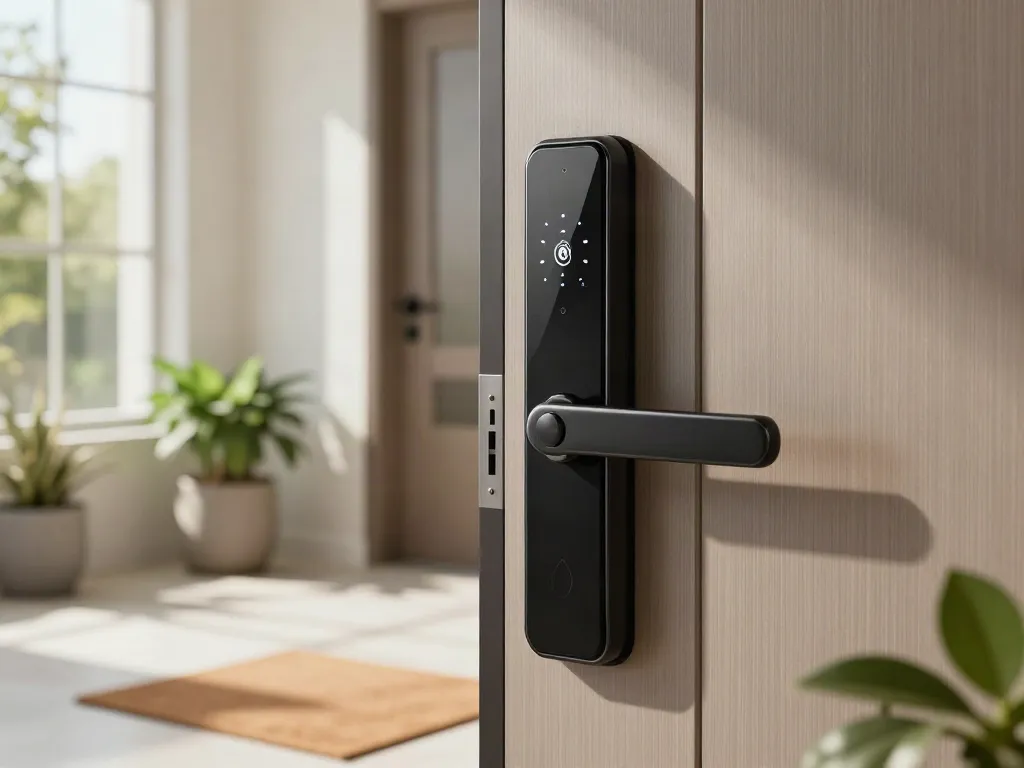
A smart lock is an electromechanical lock that allows users to unlock their doors using various methods aside from a traditional key. These methods include smartphone applications, biometric data like fingerprints or facial recognition, and even keypads for entering a passcode. The core functionality revolves around increasing access control while providing advanced security features that traditional locks cannot offer.
Types of Smart Locks Available
The market today is saturated with various smart lock designs catering to different user preferences and requirements. Here are some popular categories:
- Keypad Locks: Require a numerical code for access.
- Biometric Locks: Use fingerprint or facial recognition technology for identity verification.
- Bluetooth/Wi-Fi Enabled Locks: Allow remote locking and unlocking through mobile apps.
- Smart Deadbolts: Designed to replace traditional deadbolts, providing an added layer of security.
- Keyless Entry Systems: Operate without a physical key and often integrate with other smart devices.
Advantages Over Traditional Locks
Smart locks come packed with numerous advantages compared to their traditional counterparts. They offer the flexibility of access management, remote monitoring, and enhanced security through features like automated locking and alerts for unauthorized access attempts. Furthermore, many smart locks can be integrated with home automation systems, allowing for seamless control alongside other smart devices in the home.
Key Features to Look for in a Smart Lock
Biometric Security: Fingerprint and Face Recognition
Security is paramount, and biometric features such as fingerprint scanning and facial recognition significantly elevate the safety profile of smart locks. These technologies ensure that only authorized users can access your home, reducing the possibility of unauthorized entry.
Connectivity Options: Wi-Fi and Bluetooth
The connectivity features of smart locks are crucial in today’s digital age. Options like Wi-Fi and Bluetooth allow users to control their locks remotely, enabling them to grant access to guests even when they are not home. This functionality provides significant convenience, particularly for rental properties or when managing multiple users.
User-Friendly Interfaces and Control Apps
Ease of use is a critical aspect to consider when selecting a smart lock. Most modern smart locks come with intuitive mobile applications that simplify the locking and unlocking processes, management of user codes, and accessing logs of entry attempts. Such user-friendly interfaces enhance the overall experience of managing home security.
Installation and Setup of a قفل هوشمند
DIY Installation vs Professional Help
Deciding whether to install a smart lock yourself or hire a professional can often depend on your comfort with DIY projects. Most smart locks are designed for easy installation and come with straightforward instructions. However, for those unfamiliar with home hardware, professional installation may be a worthwhile investment, ensuring that the lock is fitted correctly.
Requirements for Different Door Types
Before purchasing a smart lock, considering the type and condition of your door is essential. Factors such as door thickness, material, and existing hardware compatibility can affect the installation process and the overall functionality of the smart lock.
Common Installation Mistakes to Avoid
Many users encounter issues during installation due to common mistakes. Failing to align the lock correctly or not following the manufacturer's instructions can lead to inadequate security. It’s crucial to double-check measurements and ensure that all components are securely fastened.
Cost Considerations: Pricing Your قفل هوشمند
Budget Options vs Premium Models
Smart locks are available at various price points, providing options suitable for different budgets. Basic models may offer essential features, while premium models include advanced functionalities like multi-user access, remote control, and superior build quality. It’s essential to assess what features are necessary for your security needs before making a purchase.
Value for Money: What Features Justify Higher Prices?
When evaluating the cost of a smart lock, consider the features that come with it. Locks that provide robust security, user-friendly app integration, and long-term durability often justify a higher price. Additionally, brands that offer extensive warranties and customer support add value to your investment.
Long-term Savings on Security Costs
Investing in a smart lock can lead to long-term savings by reducing the need for locksmith services, enhancing home security, and possibly lowering homeowner's insurance premiums. Many insurance providers offer discounts for homes equipped with smart home technology, including smart locks.
Future Trends in Smart Lock Technology for 2026 and Beyond
Emerging Technologies and Innovations
As technology continues to evolve, smart locks are expected to incorporate even more advanced features. Innovations such as AI-driven access management, deeper integration with smart home ecosystems, and enhanced biometric capabilities are just a few trends on the horizon.
The Impact of IoT on Home Security
The Internet of Things (IoT) is reshaping security solutions. Smart locks will increasingly communicate with other devices in the home, leading to a more integrated approach to security that can respond dynamically to threats or changes in the home environment.
Predictions for User Adoption Rates
As awareness of smart home technology grows, user adoption rates for smart locks are expected to climb. Factors such as increased affordability, greater availability, and enhanced features will contribute to this trend, making smart locking systems commonplace in households across the globe.
What are the Essential Questions to Ask Before Buying a Smart Lock?
Before making a purchase, it’s vital to ask questions like: What features are essential for my home? Is the lock compatible with my door type? What kind of warranty and repair options come with the lock? Addressing these questions ensures that you choose a lock that best fits your needs.
How Do Smart Locks Compare to Traditional Security?
When comparing smart locks to traditional security systems, smart locks offer more convenience, flexibility, and user control. They enable remote access and monitoring, presenting a significant advantage in today's fast-paced environment where adaptability and efficiency are crucial.
What Maintenance Does a Smart Lock Require?
Smart locks generally require minimal maintenance, but periodic checks to ensure proper functioning are recommended. Cleaning the locking mechanisms and updating software regularly ensures optimal performance and security.
Can I Integrate a Smart Lock with Other Smart Home Devices?
Yes, most smart locks can integrate with existing smart home devices, enabling users to create automated routines and enhance security. For example, setting up a system where the lock communicates with smart lights can enhance your home’s security when you're away.
Is Professional Installation Worth the Investment?
For those unfamiliar with smart technology or installation processes, professional installation can be a wise investment. It assures proper setup and functionality, reducing potential issues that could arise from incorrect installation.
What Should I Do If My Smart Lock Fails?
If a smart lock fails, consult the manufacturer’s customer support for troubleshooting tips. Many companies provide extensive resources and warranty options to address these issues swiftly, minimizing downtime and ensuring your security remains intact.