Understanding Mini Split of Air Conditioner Systems
In today's world of climate control, the mini split of air conditioner systems has emerged as a modern solution for efficient heating and cooling. Distinct from traditional HVAC systems, these ductless systems provide a versatile way to regulate temperature in specific zones of your home or office. As the demand for energy-efficient and cost-effective solutions rises, understanding the intricacies of mini split systems is essential for homeowners and business owners alike. This guide delves deeply into the operations, benefits, installation, and future trends associated with mini splits to empower users with the knowledge needed to make informed decisions.
What is a Mini Split of Air Conditioner?
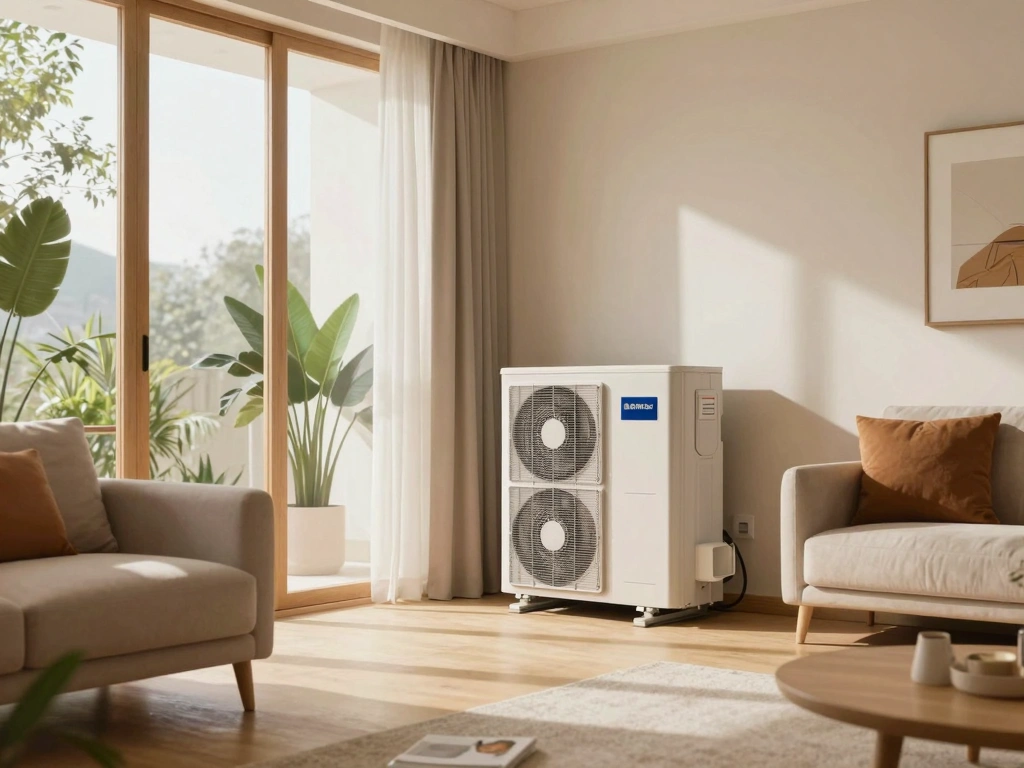
A mini split air conditioner is a compact heating and cooling system that operates without ductwork. It consists of two main components: an indoor unit and an outdoor compressor/condenser unit. The indoor unit is typically mounted high on the wall or ceiling and is responsible for blowing cooled or heated air directly into the room. The outdoor unit contains the compressor and condenser, which are essential for heat exchange. These systems are often referred to as ductless because they do not rely on ductwork to distribute air, leading to several benefits, including reduced energy consumption and improved air quality.
Key Components and Their Functions
- Indoor Unit: The indoor unit houses a fan and evaporator coil that cools air and distributes it in the designated space.
- Outdoor Unit: This unit contains the compressor, condenser coil, and fan, which expel heat absorbed from the indoor air.
- Refrigerant Lines: These insulated tubes transfer refrigerant between the indoor and outdoor units, facilitating the heat exchange process.
- Remote Control: Most mini split systems come with remote controls that allow users to adjust settings from anywhere in the room.
Benefits of Choosing Mini Split Systems
Mini split air conditioners offer numerous advantages over traditional window units and central air systems:
- Energy Efficiency: Mini splits consume less energy than traditional systems, leading to lower utility bills.
- Zone Control: Individual units allow for precise temperature control in different rooms, enhancing comfort.
- Easy Installation: Without the need for ductwork, installation is often quicker and less invasive.
- Quiet Operation: Mini splits are designed to operate quietly, making them ideal for bedrooms and workspaces.
Installation Considerations
DIY vs Professional Installation: What's Best?
When contemplating installing a mini split air conditioner, you must decide between a DIY approach or hiring a professional. DIY installations can save costs but require a certain level of technical skill, especially regarding electrical work and refrigerant handling. On the other hand, professional installation often guarantees optimal performance and compliance with local building codes. Weighing your expertise against the complexity of the installation is crucial in making an informed decision.
Common Installation Mistakes to Avoid
Common pitfalls during installation include poor placement of indoor units, improper connection of refrigerant lines, and inadequate insulation. To mitigate these risks, ensure the indoor unit is located in an area where airflow is unobstructed, and refrigerant lines are correctly sealed to prevent leaks. Additionally, follow all manufacturer's instructions carefully.
Cost Factors in Installing Mini Split of Air Conditioners
The cost of installing a mini split system can vary widely based on several factors. These include the number of zones you want to cool, the complexity of the installation, and the specific brand and model you choose. On average, homeowners can expect to spend between $3,000 and $5,000 for a complete installation, including the units, line sets, and labor. While the initial investment may be higher than traditional window units, the long-term savings on energy bills often outweigh the costs.
Maintenance and Efficiency
Best Practices for Maintaining Your System
Regular maintenance of your mini split system is essential to ensure long-lasting performance. This includes cleaning or replacing air filters every few months, checking refrigerant levels, and scheduling annual professional maintenance to inspect connections and clean the coils. Keeping the outdoor unit free of debris is also crucial for efficiency.
How Efficient Are Mini Split Systems Compared to Other Options?
Mini split systems are highly efficient and often outperform traditional HVAC systems. They typically achieve higher SEER (Seasonal Energy Efficiency Ratio) ratings, indicating their energy-saving capabilities. Many models available today offer SEER ratings upwards of 20, meaning they use significantly less energy to cool or heat your space compared to older systems.
Signs Your Mini Split Needs Professional Attention
While mini splits are generally reliable, there are warning signs that indicate professional attention is needed. These include unusual noises, an increase in energy costs, inconsistent temperatures, and visible leaks around the units. Prompt attention to these issues can prevent more serious damage and maintain system efficiency.
Energy Savings and Environmental Impact
Understanding Energy Efficiency Ratings
Energy efficiency ratings are vital in assessing the performance of mini split systems. The SEER rating measures the cooling output during a typical cooling season divided by the total electric energy input in watt-hours. Higher SEER ratings indicate better energy efficiency. For heating efficiency, the HSPF (Heating Seasonal Performance Factor) rating serves a similar purpose.
Impact on Your Energy Bill: What to Expect
Adopting a mini split system can lead to substantial reductions in your energy bills. Homeowners report savings ranging from 30% to 50% compared to traditional HVAC systems, particularly if replacing an older model. This makes mini splits an appealing option for green-conscious consumers looking to reduce their carbon footprint while saving money.
Environmental Benefits of Mini Split Systems
Mini split systems not only reduce energy usage but also minimize the environmental impact of heating and cooling. By effectively managing energy consumption, these systems decrease greenhouse gas emissions. Furthermore, many modern mini splits come equipped with eco-friendly refrigerants, aligning with global goals to combat climate change.
Future Trends in Mini Split Technology
Innovative Features to Expect in 2026
The future of mini split technology is promising, with advancements focusing on smart technology integration, improved energy efficiency, and enhanced user experience. Systems are expected to feature advanced sensors that detect occupancy and adjust temperatures accordingly, further optimizing energy use. Enhanced connectivity options, including app controls and integration with smart home systems, will elevate user convenience.
The Role of Smart Technology in HVAC
As smart home technology continues to evolve, mini split systems are likely to integrate more seamlessly with home automation platforms. Features such as voice control, remote monitoring, and predictive maintenance alerts will provide users unprecedented control over their heating and cooling environments, optimizing comfort and efficiency.
Case Studies: Successful Implementations of Mini Splits
Several case studies highlight the effectiveness of mini split systems in various settings. In residential applications, families have reported significant energy savings and improved indoor comfort levels after upgrading from central air systems. Commercial properties utilizing mini splits have seen increased productivity due to better temperature control, illustrating the potential benefits across various use cases.
What are the downsides of a mini-split AC system?
While mini split systems offer numerous advantages, they do have some drawbacks. Initial installation costs can be higher than traditional systems, and the aesthetics of indoor units may not appeal to everyone. Additionally, improper installation can lead to inefficiencies, so it's essential to ensure that qualified technicians handle the installation process.
Why is my electric bill so high with mini split?
High electric bills while using a mini split can result from several factors, including improper sizing of the system for your space, poor insulation of the home, or inefficient operation due to neglected maintenance. Addressing these issues often involves consulting with a professional to ensure optimal system performance.
What is the typical cost of installing a mini split system?
As mentioned earlier, the cost of installing a mini split system generally ranges from $3,000 to $5,000, influenced by factors such as system size, number of indoor units, and installation complexity. It is advisable to obtain multiple quotes from contractors to find the best fit for your budget and needs.
Are mini-splits good for air conditioning?
Mini splits are considered one of the best options for air conditioning due to their efficiency, flexibility, and ability to provide zoned cooling. They are particularly advantageous in homes where traditional ductwork is unavailable or impractical. Overall, mini split systems offer a reliable solution for both residential and commercial air conditioning needs.