Understanding Automated Bagging Solutions
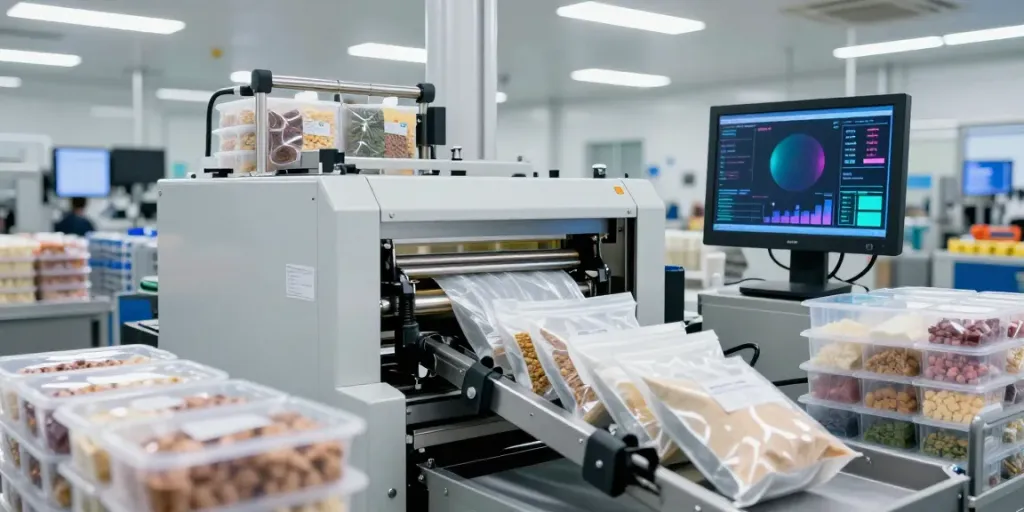
In today’s fast-paced manufacturing landscape, efficiency and precision are paramount. Automated bagging solutions are revolutionizing how industries package their products by providing advanced technology that minimizes errors and maximizes productivity. An automated bagging machine is not just a luxury; it’s becoming a necessity for companies striving to stay competitive in various sectors, including food and beverage, pharmaceuticals, and consumer goods. These machines handle everything from bag placement to sealing and filling, ensuring a streamlined packaging process.
When exploring options, automated bagging solutions provide comprehensive insights into the benefits of implementing state-of-the-art packaging machinery. With the ability to adjust settings and features, these machines cater to a diverse range of products and market demands.
What are Automated Bagging Solutions?
Automated bagging solutions refer to systems designed to streamline the packaging process for various products using automated technologies. These solutions typically include machines that can automatically place bags, fill them, and seal them without the need for manual labor. The primary goal of these systems is to enhance efficiency, reduce labor costs, and minimize human error, resulting in faster and more consistent packaging outcomes.
Key Components of Bagging Machines
- Bagging Mechanism: The core of any automated bagging machine, responsible for handling different types of bags efficiently.
- Filling System: A component that uses advanced technology to fill bags with the correct amount of product, ensuring accuracy.
- Sealing Unit: This part ensures that each bag is sealed correctly, which preserves product quality and prevents leakage.
- User Interface: A touchscreen or control panel that allows operators to adjust settings, monitor performance, and troubleshoot issues.
- Integration System: This enables the bagging machine to work seamlessly with other equipment in the packaging line.
Benefits of Implementing Automation
Automated bagging systems bring numerous advantages to manufacturing operations, including:
- Increased Productivity: Automation significantly reduces the time required for packaging, as machines can operate continuously without breaks.
- Enhanced Accuracy: With automated filling and sealing, the chances of packaging errors are drastically reduced.
- Cost Efficiency: While the upfront investment may be high, the long-term savings in labor costs and increased throughput can lead to a substantial return on investment.
- Flexibility: Many automated systems can be customized to accommodate different products, allowing manufacturers to adapt to changing market demands.
Selecting the Right Automated Bagging Machine
Choosing the correct automated bagging machine is critical to maximizing efficiency and ensuring product integrity. Factors to consider include the type of products being packaged, production volume, and specific business needs.
Types of Machines for Different Products
Different types of automated bagging machines cater to various packaging needs. For instance:
- Open-Mouth Bagging Machines: Ideal for dry, bulk products like grains, seeds, and powders.
- Form-Fill-Seal (FFS) Machines: Suitable for packaging liquids or pastes, as they create bags from film and fill them simultaneously.
- Vertical Form-Fill-Seal Machines: These are designed for lightweight products, providing high-speed packaging solutions.
Customizable Features and Settings
One of the significant advantages of modern automated bagging machines is their customizable features. Businesses can adjust settings such as:
- Bag size and type
- Filling speed
- Sealing temperatures and time
These options allow companies to tailor the machinery to their specific products and packaging requirements, improving overall efficiency.
Evaluating Industry-Specific Needs
Different industries have unique packaging requirements. For instance, the food industry requires stringent hygiene standards, while pharmaceuticals demand precise dosages. Thus, businesses must evaluate their specific needs to select the right automated bagging solution. Conducting thorough research, consulting industry experts, and potentially running trials with different machines can lead to better decision-making.
Best Practices for Implementing Automation
To effectively implement automated bagging solutions, companies should follow best practices that ensure seamless integration and operational efficiency.
Integrating with Existing Packaging Lines
Successful automation begins with integrating new bagging machinery into existing packaging lines. This integration should ensure minimal disruption to ongoing operations. Collaborating with machine manufacturers can provide insights into the best practices for achieving seamless transitions.
Training Staff for Efficient Use
Training staff on how to operate and troubleshoot the automated systems is essential for maximizing efficiency. Proper training can help staff understand the machine’s functions, facilitating better operation and maintenance, which ultimately leads to fewer disruptions and lower downtime.
Monitoring and Maintenance for Optimal Performance
Regular monitoring and maintenance of automated bagging machines are crucial for maintaining optimal performance. Companies should implement a routine maintenance schedule to address potential issues before they escalate, ensuring the packaging operation runs smoothly.
Challenges and Solutions in Automated Bagging
While automated bagging solutions offer numerous benefits, companies may also face challenges during implementation. Identifying and addressing these challenges early can promote smoother transitions to automated systems.
Common Obstacles in Automation Adoption
Common challenges include resistance to change from staff, high initial costs, and potential integration issues with existing systems. Addressing these obstacles requires effective change management strategies, including communication, staff engagement, and possibly phased implementation approaches.
Mitigating Packaging Errors
Even with automation, packaging errors can occur. Utilizing advanced technologies like vision systems allows for real-time quality checks, ensuring that errors are caught and rectified immediately. This technology helps maintain high standards and reduce waste.
Future-Proofing Your Packaging Operations
To future-proof packaging operations, businesses must stay abreast of technological advancements and market developments. Flexibility and adaptability in machinery can ensure that companies are prepared to meet evolving consumer demands, regulations, and production needs.
Future Trends in Automated Bagging Solutions for 2026
As we look towards 2026, several trends are likely to shape the future of automated bagging solutions. Understanding these trends can provide businesses with a competitive edge.
Emerging Technologies and Innovations
Technological advancements, including the use of artificial intelligence and machine learning, are set to transform automated bagging. Machines that learn from operational data can optimize performance over time, reducing waste and increasing efficiency. Innovations such as smart sensors can monitor products in real time to ensure quality.
Adapting to Market Demands
Market demands evolve swiftly, which means that automated bagging solutions will need to adapt accordingly. Solutions offering scalability and adaptability will be crucial for businesses aiming to stay competitive. Flexible machinery that can quickly switch between product types will become increasingly important.
Environmental Considerations in Packaging
As consumers become more environmentally conscious, packaging solutions that minimize waste and utilize sustainable materials will gain popularity. Automated bagging machines that can work with biodegradable materials and reduce excess packaging will not only meet consumer demand but also contribute to corporate sustainability initiatives.
What are the best automated bagging systems?
The best automated bagging systems are those that combine speed, efficiency, and flexibility. Systems that can adapt to various products with high precision and minimal waste often stand out in the market. Researching leading manufacturers and their technologies is key to finding the most suitable solutions.
Who are some manufacturers of automated bagging machines?
Several manufacturers specialize in automated bagging machines, each offering different technologies and solutions. Companies should evaluate their options based on industry-specific needs, technology integration, and customer support.
How much does a packsize machine cost?
The cost of a packsize machine varies significantly based on its capabilities, features, and the complexity of the required technology. Businesses should conduct a cost-benefit analysis, weighing initial investment against long-term savings and productivity gains.
Is Amazon packing automated?
Yes, Amazon employs a range of automated packing solutions in its fulfillment centers to streamline operations. This automation includes bagging, sealing, and labeling systems that significantly enhance the speed and accuracy of their packing processes.
What are the advantages of using automated bagging solutions?
Automated bagging solutions offer numerous advantages, including increased speed, improved accuracy, reduced labor costs, and enhanced flexibility in production. These benefits collectively contribute to improved operational efficiency and better product integrity.