Understanding Custom Water Treatment Systems
In an increasingly water-scarce world, customized solutions for water treatment have become essential. A Custom Water Treatment System is designed to meet specific water quality requirements and operational needs across various industries. These systems are tailored to address unique challenges that arise in diverse environments, from municipalities requiring safe drinking water to industries managing complex wastewater outputs. Understanding the intricacies of these systems can lead to improved efficiency and sustainability in water resource management.
What is a Custom Water Treatment System?
A custom water treatment system refers to a specially designed solution that caters to the specific needs of a particular environment or application. Unlike off-the-shelf systems, these solutions are engineered to address factors such as water quality, volume, treatment goals, and space constraints. Custom systems can incorporate various technologies including filtration, reverse osmosis, ultraviolet (UV) treatment, and biological processes, creating a comprehensive solution tailored to meet precise requirements.
Key Components of Effective Systems
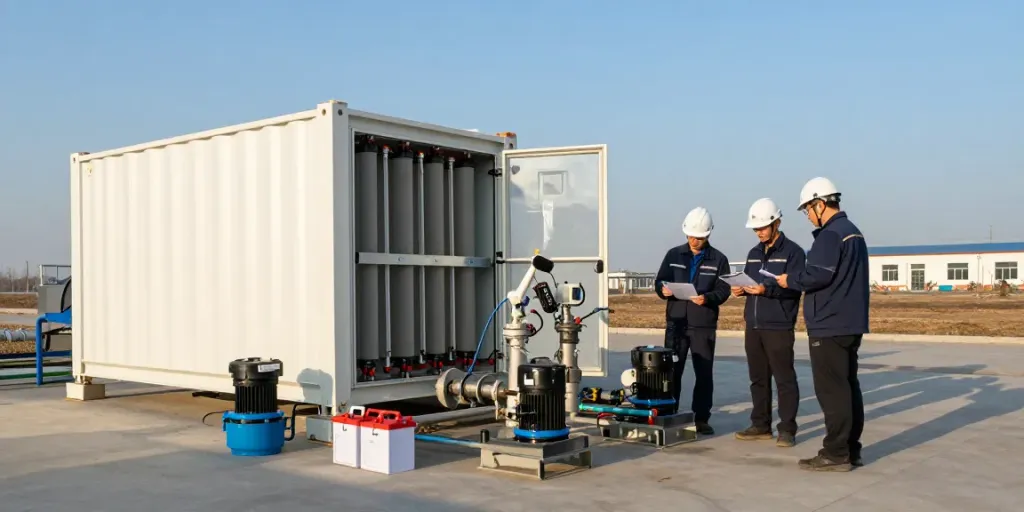
Effective water treatment systems consist of various components that work in harmony to ensure optimal performance. Key components include:
- Filtration Units: Essential for removing particulate matter from water.
- Pumps and Motors: Responsible for moving water throughout the system.
- Control Systems: Automated systems that monitor water quality and system performance.
- Tanks and Vessels: Storage units for treated and untreated water, designed to withstand various pressures.
- Monitoring Instruments: Sensors and gauges that provide real-time data on water quality parameters.
Importance in Various Industries
Custom water treatment systems play a crucial role in numerous sectors, including:
- Municipal Water Supply: Ensuring safe drinking water is vital for public health.
- Industrial Processes: Industries require wastewater treatment solutions to comply with local regulations and to protect the environment.
- Agriculture: Efficient irrigation systems that also treat water for reuse.
- Emergency Services: Rapid deployment systems for disaster response.
Core Applications for Custom Water Treatment Systems
Drinking Water Production
Providing safe drinking water is a fundamental necessity for health and well-being. Custom water treatment systems designed for drinking water production often integrate multiple treatment stages, including coagulation, sedimentation, filtration, and disinfection. These systems are particularly critical in areas where natural water sources are contaminated or where demand exceeds traditional supply capabilities.
Industrial Wastewater Management
Industries generate large volumes of wastewater, often containing harmful contaminants that require specialized treatment solutions. Custom systems for industrial wastewater management can address these complexities effectively, employing technologies like advanced oxidation processes and membrane filtration to achieve compliance with environmental regulations while also allowing for water reuse in production processes.
Emergency Response Solutions
In the face of natural disasters or contamination incidents, custom water treatment systems can be rapidly deployed to provide clean water. These mobile units are designed for flexibility and quick setup, ensuring communities have access to safe drinking water even in the most critical conditions.
Designing a Custom Water Treatment System
Assessing Site Requirements
The initial step in designing a custom water treatment system is conducting a thorough site assessment. This includes evaluating existing water quality, determining treatment goals, and understanding space limitations. Engaging local stakeholders in this process is crucial to ensure that the system meets both current and future needs.
Integrating Technology and Sustainability
Modern water treatment solutions must not only address immediate contamination issues but also consider sustainability. Integrating renewable energy sources and optimizing chemical usage can significantly reduce the environmental footprint of water treatment processes. Systems designed with sustainability in mind can contribute to long-term resource conservation.
Best Practices for Design Efficiency
To achieve maximum efficiency in water treatment design, consider the following best practices:
- Prioritize modular designs to allow for scalability.
- Incorporate advanced monitoring systems to facilitate real-time adjustments.
- Utilize energy-efficient components to lower operational costs.
Challenges and Solutions in Implementation
Common Obstacles in Water Treatment Projects
Challenges such as budget constraints, technological limitations, and regulatory hurdles often impede the implementation of custom water treatment systems. Addressing these challenges early on through careful planning and stakeholder involvement can significantly enhance project success.
Regulatory Compliance Considerations
Meeting local and international regulations is paramount in water treatment projects. Custom systems must be designed with these compliance issues in mind, integrating necessary features to ensure that treated water meets established safety standards. Consulting with regulatory experts during the design phase can help streamline this process.
Innovations Addressing Industry Pain Points
The water treatment industry is continually evolving, driven by innovations that address common pain points such as energy consumption, maintenance requirements, and operational costs. Technologies such as artificial intelligence for predictive maintenance and advanced filtration materials are transforming custom water treatment systems, making them more efficient and cost-effective.
The Future of Custom Water Treatment Systems
Trends Shaping the Industry in 2026
As we look towards 2026, several key trends are likely to influence the custom water treatment sector:
- Increased Automation: The role of automation will expand, allowing for better monitoring and control of treatment processes.
- Integration with Smart Cities: Custom water treatment systems will increasingly connect with smart city infrastructures for optimized resource management.
- Focus on Circular Economy: The emphasis on reusing water and minimizing waste will become more pronounced.
Emerging Technologies and Their Impact
Emerging technologies such as nanotechnology and membrane bioreactors are set to revolutionize the efficiency and effectiveness of custom water treatment systems. These innovations will enable higher levels of purification and reduced operational costs, providing robust solutions for industries facing stringent regulations.
Long-term Sustainability Goals
Sustainability will continue to be a guiding principle for the water treatment industry. Companies that invest in sustainable technologies and practices will not only meet regulatory requirements but also enhance their brand reputation and customer loyalty. The future of custom water treatment systems lies in their ability to balance efficacy with ecological responsibility.